
A smart grid is not a new grid. It is the existing network of lines, substations and switchgear, upgraded with sensors, communications and software so it can respond in real time. This article explains the building blocks, the practical benefits for utilities and customers, and what smart-grid readiness means when you buy equipment.
A Working Definition
A traditional grid was built for one-way power flow: large plants generated, and passive customers consumed. Operators had good visibility of the transmission network but very little below the primary substation. A smart grid adds two-way communication, measurement and automated control across the whole chain, from generation to the customer’s meter and beyond. It can then:
- See what is happening on every feeder in near real time.
- Locate, isolate and restore faults automatically.
- Host large amounts of solar, wind, batteries and EV chargers without overloading circuits.
- Let customers and their devices respond to prices and grid signals.
Why Grids Need to Get Smarter
- Variable renewables: wind and solar output changes with the weather, and much of it connects at distribution level.
- Two-way flows: rooftop PV can push voltage above limits on LV feeders at midday.
- New loads: EV charging, heat pumps and data centres add demand in concentrated places and at concentrated times.
- Ageing assets: monitoring lets utilities replace equipment based on condition rather than age.
- Resilience: extreme weather makes fast restoration and islanded microgrids more valuable.
Smart Grid Building Blocks
Advanced metering infrastructure (AMI)
Smart meters record consumption at short intervals and communicate in both directions. They make time-of-use tariffs possible, along with remote connection, outage notification and voltage monitoring at every customer point. Behind the meter, a network of data concentrators and a meter data management system turn raw readings into usable information.
Distribution automation
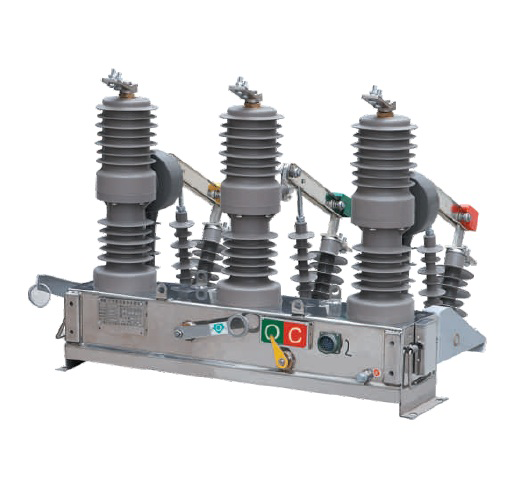
Remote-controlled reclosers, load break switches and ring main units with motor operators, combined with fault passage indicators, allow FLISR (fault location, isolation and service restoration). Outage duration falls from hours to minutes, because healthy sections are re-fed automatically through alternative paths.
Substation automation
Digital substations based on IEC 61850 provide fast protection, condition monitoring and a direct data link to the control centre.
Wide-area monitoring
Phasor measurement units (PMUs) take GPS-synchronized measurements many times per second. This lets transmission operators detect oscillations and stability problems across large regions.
Distributed energy resources and storage
Solar inverters, wind turbines, battery systems and controllable loads are coordinated by DERMS (distributed energy resource management systems) or aggregated into virtual power plants. Battery storage provides fast frequency response, smooths renewable output and shifts energy from midday to evening peaks. See our energy storage batteries.
Demand response and smart charging
Thermostats, water heaters, industrial processes and EV chargers can shift or trim demand when the grid is stressed. Vehicle-to-grid (V2G) charging lets parked EVs send power back to the grid.
Software platforms
Advanced distribution management systems (ADMS), outage management, GIS asset databases and analytics tie the data together, increasingly with AI-based forecasting of load and renewable output.
Benefits in Practice
| Stakeholder | Main benefits |
|---|---|
| Utilities and grid operators | Shorter outages (better SAIDI/SAIFI), lower technical and non-technical losses, deferred capacity upgrades, condition-based maintenance |
| Customers | Accurate bills without estimates, time-of-use savings, faster restoration, ability to sell solar or battery output |
| Renewable developers | Faster grid connection through flexible connection agreements and active network management |
| Society | Higher share of clean energy, better resilience against extreme weather |
Standards and Cybersecurity
Interoperability is what lets devices from different vendors work together. Key references include:
- IEC 61850: communication for substations and DER.
- IEC 61968 / 61970 (CIM): common data models for utility software.
- IEC 62056 (DLMS/COSEM): smart meter data exchange.
- IEC 62351 and IEC 62443: cybersecurity for power systems and industrial control.
- IEEE 2030.5 and IEEE 1547: DER communication and interconnection, widely used in North America.
Every connected device is also a potential attack surface. Encrypted communications, role-based access, secure firmware updates and network segmentation are essential.
What “Smart-Grid Ready” Means for Equipment
Hardware still carries the current, so smart grids depend on primary equipment that can be monitored and operated remotely. When you specify new equipment, look for:
- Motorized operating mechanisms and remote control interfaces on MV switchgear.
- Built-in sensors for current, voltage, temperature and partial discharge.
- Protection relays and RTUs supporting IEC 61850, IEC 60870-5-104 or Modbus.
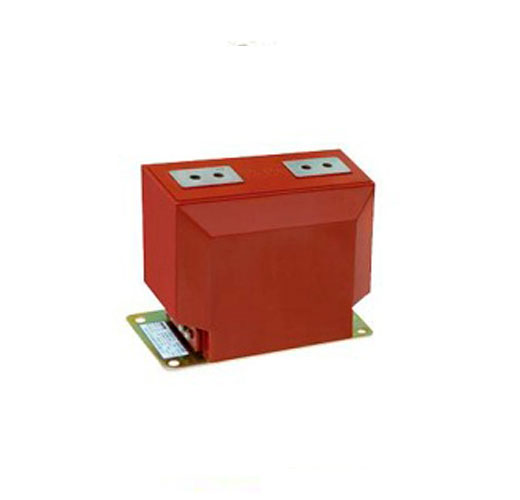
- Accurate current and voltage transformers or low-power sensors for metering and power-quality data.
- Transformers with monitoring and, where voltage swings are large, on-load tap changers.
Frequently Asked Questions
Is a smart grid the same as smart meters?
No. Smart meters are one component. A smart grid also includes automation, monitoring, storage, DER management and software across the transmission and distribution networks.
Does a smart grid prevent all blackouts?
No, but it limits how far outages spread and how long they last, by isolating faults and restoring supply to healthy sections automatically.
What is a microgrid?
A local network with its own generation and storage that can run connected to the main grid or disconnect and operate as an island during disturbances.
Can older networks be upgraded?
Yes. Most utilities modernize step by step: they add sensors, remote-controlled switches and communications to existing feeders and substations.
Work with METTZ Group
METTZ Group offers a wide range of smart-grid-ready switchgear and distribution equipment to suit many needs, from remotely controlled MV panels and compact substations to measuring transformers and energy storage. Check out our website to learn more, or contact METTZ Group today to work with a representative.
