
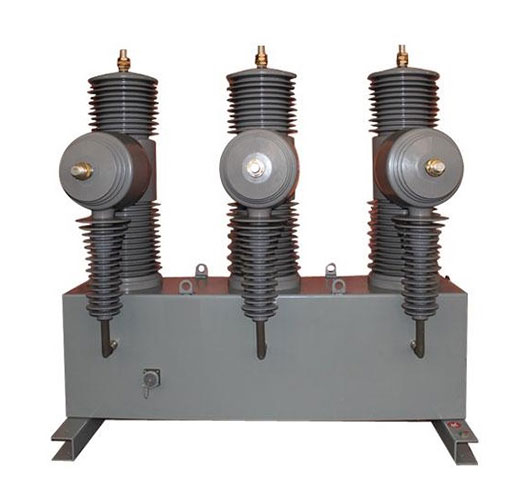
The same 24 kV rating can hide very different equipment depending on where it is installed. This article explains the service conditions defined in IEC 62271-1, how indoor and outdoor designs differ, and what to specify when a site is hotter, wetter, dirtier or higher than normal.
Indoor and Outdoor: What the Standard Means
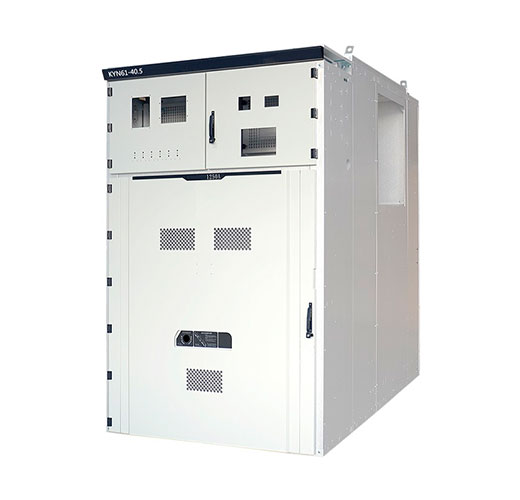
In IEC terms, indoor switchgear is designed to be installed inside a building or another housing where it is protected from wind, rain, snow, abnormal dirt, abnormal condensation, ice and hoar frost. Outdoor switchgear is designed to work exposed to those influences. The distinction is about the environment the equipment is tested for, not about whether it is physically outside.
That has practical consequences. Indoor metal-enclosed switchgear placed in a poorly sealed container on a tropical site is effectively operating outdoors, and it will age accordingly. Outdoor equipment, such as pole-mounted reclosers, outdoor vacuum circuit breakers and open-air disconnectors, carries weatherproof enclosures, longer creepage distances and wider temperature ranges.
Normal Service Conditions in IEC 62271-1
Every rating on a nameplate assumes the equipment works within the “normal service conditions” of IEC 62271-1. Anything outside them is a special condition that must be stated in the enquiry.
| Parameter | Indoor (normal) | Outdoor (normal) |
|---|---|---|
| Maximum ambient air temperature | 40 °C; 24-hour average not above 35 °C | 40 °C; 24-hour average not above 35 °C |
| Minimum ambient temperature classes | -5 °C, -15 °C, -25 °C | -10 °C, -25 °C, -40 °C |
| Altitude | Up to 1,000 m | Up to 1,000 m |
| Humidity | 24-hour average RH ≤ 95%, monthly average ≤ 90% | Rain, condensation and high humidity assumed |
| Solar radiation | Not relevant | Up to 1,000 W/m² |
| Pollution | No significant dust, smoke, corrosive or flammable gases, salt | Defined by site pollution severity class |
| Ice and wind | Not relevant | Ice coating classes up to 20 mm; wind up to 34 m/s |
Typical designations combine these values, for example “minus 25 indoor” or “minus 40 outdoor”. Make sure the class on the offer matches the coldest night the site will see, including in an unheated room.
Temperature: Both Ends Matter
High temperature
Rated normal current is defined at the standard ambient. Above 40 °C, conductors, contacts and insulation run hotter than intended, so the current must be derated or the cooling improved. Panels in desert substations, in rooms next to furnaces, or in enclosures heated by direct sun need either a higher current rating, forced ventilation or air conditioning. Solar gain on an outdoor kiosk can raise internal air temperature by 10 K or more if the roof is not shaded or insulated.
Low temperature
Cold affects lubricants, spring mechanisms, gas density and the speed of trip coils. SF6 and alternative gas mixtures can liquefy at very low temperatures, so gas-insulated equipment for arctic sites may need heaters or a lower filling pressure. Operating mechanisms must be tested at the lowest rated temperature, and auxiliary DC voltage often drops when batteries are cold, which slows the mechanism even further.
Humidity and Condensation
Condensation is the main enemy of medium-voltage insulation. It happens when the surface temperature of the equipment falls below the dew point of the surrounding air, which is common after a cold night in a humid climate or when a lightly loaded panel cools down. Water films combined with dust create conductive paths, partial discharge and eventually surface tracking.
IEC TS 62271-304 defines design classes for indoor switchgear used in severe climatic conditions with respect to condensation and pollution. Specifying the right class, together with these measures, makes a measurable difference:
- Anti-condensation heaters controlled by a hygrostat, kept energized at all times.
- Sealed cable entries and trenches, since cable ducts often bring moist air straight into the panel.
- Room ventilation or dehumidification that keeps relative humidity well below 70%.
- Solid- or gas-insulated designs that keep live parts away from room air altogether.
Dust, Pollution and Corrosive Atmospheres
Outdoor insulation is selected using the site pollution severity classes in IEC TS 60815, from “very light” (a, rural areas) to “very heavy” (e, coastal zones with salt spray or heavy industrial pollution). The heavier the class, the longer the required creepage distance per kilovolt. Coastal wind farms, cement plants, mines and chemical sites usually fall into classes d or e.
Indoor equipment is not immune. Fine conductive dust in mines and steelworks, sulfur compounds near refineries and ammonia in agricultural buildings attack copper, silver plating and insulating surfaces. Good practice includes:
- Higher enclosure IP rating and filtered or pressurized ventilation.
- Tin- or silver-plated busbar joints and corrosion-resistant enclosure finishes, such as aluminum-zinc coated or stainless steel sheet for outdoor kiosks.
- Insulation with good tracking resistance, such as cycloaliphatic epoxy or silicone for outdoor parts.
For tropical and mining duty, METTZ supplies dedicated designs such as mining vacuum circuit breakers built for dust, vibration and humidity.
Altitude Correction
Air gets thinner with height, so its dielectric strength falls and its cooling ability drops. IEC 62271-1 covers this by testing external insulation at a higher voltage when the equipment will be installed above 1,000 m. The altitude correction factor is:
Ka = em(H – 1000)/8150
where H is the site altitude in meters and m = 1 for power-frequency and lightning impulse voltages, which are the ones relevant at medium voltage. In practice:
| Site altitude | Ka | What it means for a 12 kV panel (75 kV impulse rating) |
|---|---|---|
| 1,000 m | 1.00 | No correction needed |
| 2,000 m | 1.13 | External insulation must withstand about 85 kV |
| 3,000 m | 1.28 | About 96 kV, often met by choosing the next voltage class |
| 4,000 m | 1.45 | About 108 kV; special design required |
Insulation sealed inside gas-filled or solid-insulated compartments is not affected by outside air pressure, which is one reason GIS and SIS are popular at high-altitude mines. However, cable terminations, bushings and air-insulated parts still need correction, and the rated current may need derating because thinner air removes heat less effectively. Always state the site altitude in the enquiry.
Indoor vs Outdoor: A Practical Comparison
| Aspect | Indoor switchgear in a building | Outdoor switchgear or kiosk |
|---|---|---|
| Footprint | Compact; building cost extra | Larger clearances for open-air designs; no building |
| Typical enclosure IP | IP3X to IP4X | IP54 or higher, with weatherproofing tests |
| Insulation stress | Controlled, if the room is managed | Rain, UV, pollution, temperature cycles |
| Maintenance access | Easy in any weather | Weather-dependent |
| Security and vandalism | Protected by the building | Needs robust doors, locks and impact resistance |
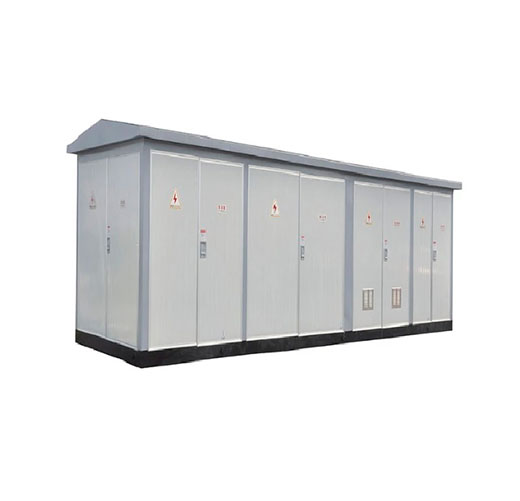
A middle path is the prefabricated substation, where indoor-rated switchgear sits inside a factory-built outdoor enclosure that provides the protection the standard assumes. See our substations range for examples.
Checklist for the Enquiry
- Indoor or outdoor installation, and the actual room or enclosure conditions.
- Maximum and minimum ambient temperature, plus solar exposure.
- Site altitude above sea level.
- Humidity profile and any condensation risk.
- Pollution severity class or a description of the industrial environment.
- Seismic zone, wind and ice loads for outdoor equipment.
Frequently Asked Questions
Can indoor switchgear be installed outdoors in a container?
Yes, if the container or kiosk provides the conditions indoor equipment is rated for: weather protection, controlled condensation and acceptable temperature. Ventilation and heaters must be designed for the climate.
At what altitude do I need correction?
Above 1,000 m. Below that, standard insulation levels apply without correction.
Is gas-insulated switchgear better for harsh environments?
Often, because the live parts are sealed from dust, humidity and thin air. Cable terminations and mechanisms remain exposed, though, so the room still needs to be managed.
What temperature class do I need for a cold climate?
Choose the class that covers the lowest expected temperature at the equipment, for example “minus 25 indoor” for an unheated room in a cold region or “minus 40 outdoor” for open-air equipment.
Work with METTZ Group
METTZ Group offers a wide range of switchgear for indoor and outdoor service to suit many needs – from air-insulated panels for clean electrical rooms to gas-insulated units and versions for mining and tropical conditions. Check out our website to learn more, or contact METTZ Group today to work with a representative.
