Description
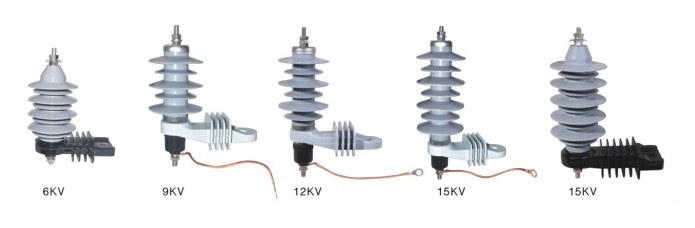
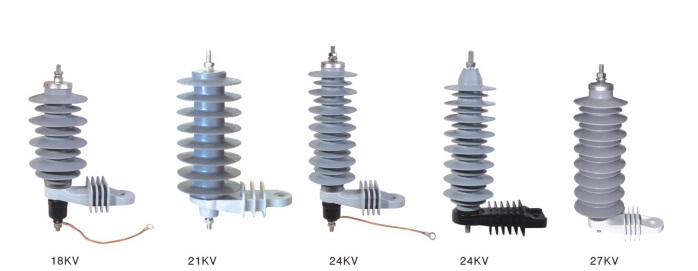
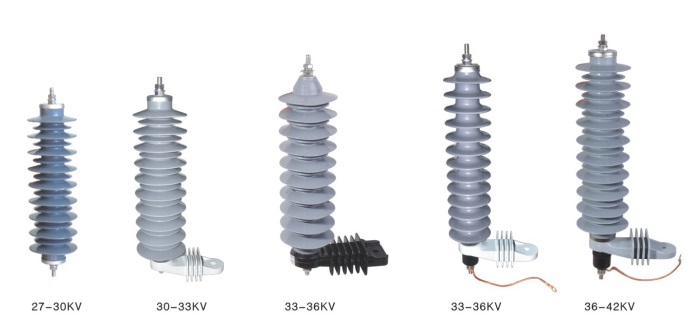
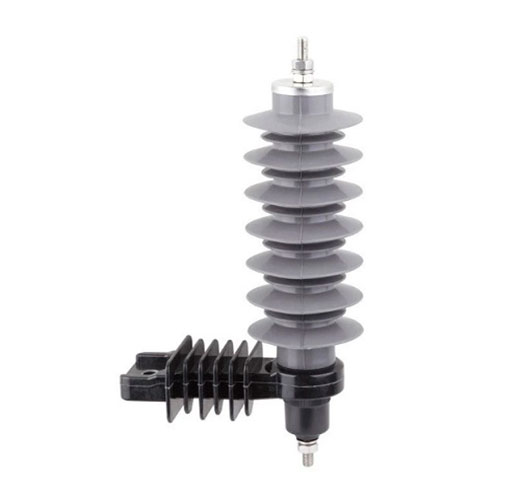
A lightning arrester is a device used on electrical power systems and telecommunications systems to protect the insulation and conductors of the system from the damaging effects of lightning. The typical lightning arrester has a high-voltage terminal and a ground terminal. When a lightning surge (or switching surge, which is very similar) travels along the power line to the arrester, the current from the surge is diverted through the arrestor, in most cases to earth.
In telegraphy and telephony, a lightning arrestor is placed where wires enter a structure, preventing damage to electronic instruments within and ensuring the safety of individuals near them. Smaller versions of lightning arresters, also called surge protectors, are devices that are connected between each electrical conductor in power and communications systems and the Earth. These prevent the flow of the normal power or signal currents to ground, but provide a path over which high-voltage lightning current flows, bypassing the connected equipment. Their purpose is to limit the rise in voltage when a communications or power line is struck by lightning or is near to a lightning strike.
If protection fails or is absent, lightning that strikes the electrical system introduces thousands of kilovolts that may damage the transmission lines, and can also cause severe damage to transformers and other electrical or electronic devices. Lightning-produced extreme voltage spikes in incoming power lines can damage electrical home appliances.
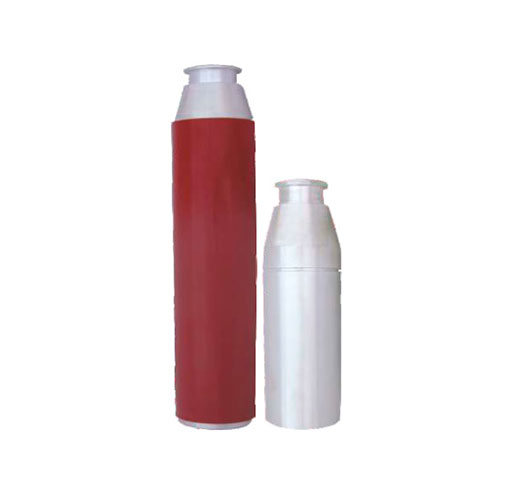
Fuse tube is composed of inside arc-extinguishing tube, outer phenolic compound paper tube or epox glasstube. Load switching fuse cut-out provides enforedelastic auxiliary con.
Al normally working via fuse link tightened the fuse tube is fixed to form up of close position. 1n case system occurred faults, fault current result in fuse melt immediately and take place electric arc.
Gushing tube being heated and explode a lot of gas. This will produce high pressure and blow off the arc along with tube. After fuse link melt moving contact has no tightened strength again, mechanism is locked and fuse tube drop out. Cut-out now is in open position.
When it needs to switch-off during cut-out loading, operator shall via insulating operating bar pull the moving contact, at its beginning main contact and auxiliary static contact is contacted still. Whiling pulling the auxiliary contact is separated between auxiliary contacts there occur electric arc and the arc will be length in arc extinguishing enclosure gap and meanwhile arc extinguishing explode gas to blow off the arc during current passing zero.
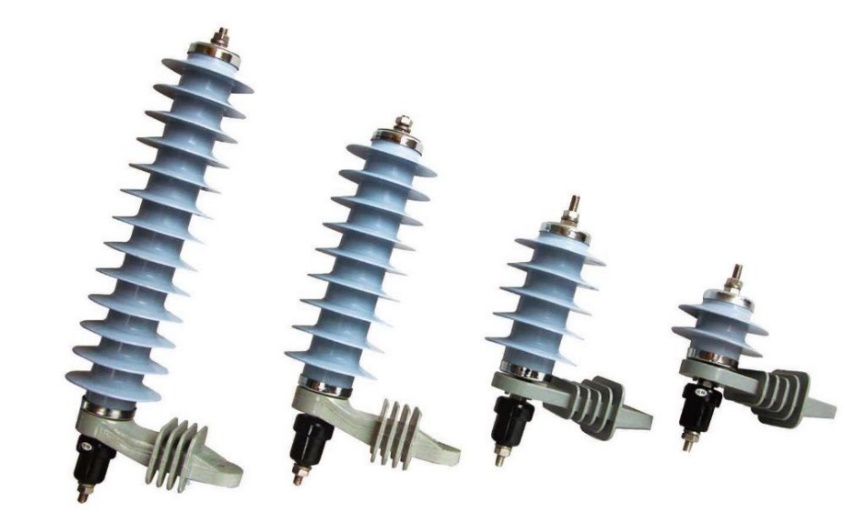
Type: zinc oxide arrester