
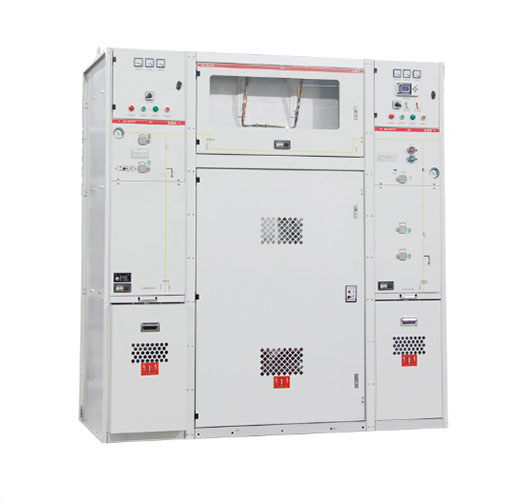
Buying medium-voltage switchgear means translating engineering requirements into a purchase order that suppliers can price and deliver. These 18 questions come up on almost every project. The answers are short, based on IEC practice, and point out where buyers most often go wrong.
Basics
1. What exactly is MV switchgear?
It is the assembly of switching, protection, measuring and isolating devices that controls a medium-voltage network. IEC 62271-200 covers metal-enclosed switchgear from above 1 kV up to 52 kV. Inside you find circuit breakers or load break switches, disconnectors, earthing switches, instrument transformers, busbars and protection relays.
2. Which main types should we consider?
Four families cover most projects:
- Air-insulated switchgear (AIS): withdrawable or fixed, easy to inspect, needs more floor space.
- Gas-insulated switchgear (GIS): sealed tanks, very compact, now moving from SF6 to alternative gases or dry air.
- Solid-insulated switchgear (SIS): epoxy-encapsulated live parts, SF6-free, compact.
- Ring main units: compact load break switch and breaker combinations for secondary distribution and kiosks.
3. Where is each type typically used?
AIS dominates industrial plants, utility primary substations and mining. GIS and SIS suit city centers, high-rise buildings, offshore and polluted or humid sites where space and sealing matter. RMUs are standard in ring-fed urban networks, wind turbines and compact substations.
Ratings and Technical Data
4. What voltage rating should appear on the order?
Always the rated voltage (Ur), which is the highest system voltage, not the nominal one. A 10 kV or 11 kV network uses 12 kV equipment; 20 kV uses 24 kV; 33-35 kV uses 36 kV or 40.5 kV. Add the required insulation level, especially if the utility asks for values above the IEC minimum.
5. Which current ratings are common?
Feeder breakers are typically 630 A or 1,250 A; incomers and bus couplers 1,600-4,000 A. Short-time withstand ratings of 20, 25, 31.5 and 40 kA for 3 or 4 s are standard. Size busbars for future load growth, and derate for high ambient temperature or altitude above 1,000 m.
6. Vacuum or SF6 for the circuit breaker?
Vacuum is the default interrupting technology for new MV equipment. It is maintenance-light, has high electrical endurance and avoids SF6 handling. SF6 breakers remain in service and in some special applications, but F-gas rules in the EU and elsewhere increasingly limit new SF6 equipment.
7. What do E2, M2 and C2 mean on a breaker datasheet?
They are IEC 62271-100 classes. M2 means 10,000 mechanical operations without major maintenance. E2 means extended electrical endurance with limited maintenance of the interrupting parts. C2 means very low probability of restrike when switching capacitor banks or cables. Specify them for frequent switching or capacitive duty.
8. What is internal arc classification and do we need it?
IAC shows that the panel protects people if an arc occurs inside. A rating such as IAC AFLR 25 kA 1 s means tested for access by authorized persons on front, lateral and rear sides at 25 kA for 1 s. For any panel in an area where staff work, specify IAC matched to your fault level.
Standards and Compliance
9. Which standards should the specification reference?
IEC 62271-1 (common specifications), IEC 62271-200 (MV metal-enclosed switchgear), IEC 62271-100 (circuit breakers), IEC 62271-102 (disconnectors and earthing switches), IEC 62271-103 (switches), IEC 61869 (instrument transformers) and IEC 60529 (IP codes). For ANSI markets, IEEE C37.20.2 and C37.04/C37.09 are the equivalent references.
10. How do we check that type tests are valid?
Request the full reports, not certificates alone. Check that the laboratory is independent and accredited, that the tested design matches the offered one, and that ratings and test durations meet or exceed your specification. Ask how design changes since testing have been verified.
11. What tests happen before shipment?
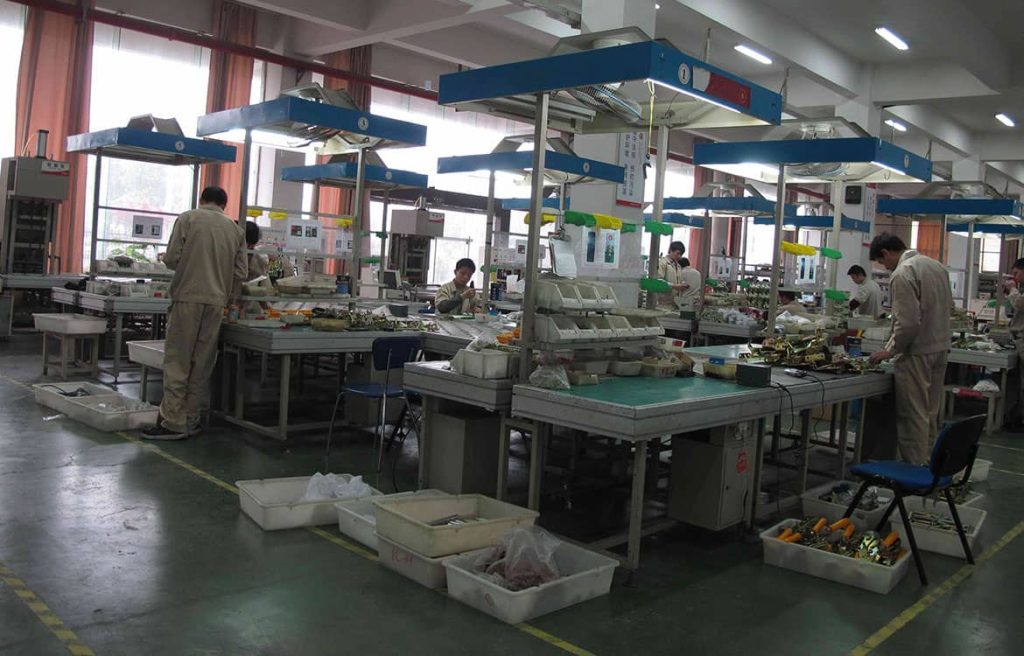
Every unit receives routine tests: power-frequency voltage test on the main circuit, voltage tests on auxiliary circuits, main circuit resistance measurement, mechanical operation and interlock checks, and wiring verification. Many buyers witness these as a factory acceptance test.
Procurement Process
12. What documents should our RFQ include?
A single-line diagram, technical specification with ratings and standards, switch room layout with dimensions and cable entry, protection and control philosophy, auxiliary voltages, environmental conditions, required documents and test witnessing, and delivery terms.
13. What are the most common procurement mistakes?
- Incomplete ratings, especially short-circuit duration and insulation level.
- Undefined control voltages for coils and motors.
- Room dimensions that leave no space for withdrawing trucks or venting arc gas.
- Comparing bids that include different scopes, such as relays, cables or commissioning.
- No agreed spare parts list.
14. Should we buy complete panels or components?
Complete, type-tested panels are the simplest for end users. Panel builders and maintenance teams often buy components, such as breakers, vacuum interrupters, embedded poles, contact boxes and CTs, to assemble or refurbish switchgear locally. In that case, interface compatibility and verified type tests for the final assembly are essential.
Pricing and Lead Times
15. What drives the price of MV switchgear?
The main drivers are rated current and short-circuit level, insulation technology, IAC level, protection relay scope, number of CTs and VTs, enclosure material and finish, and the amount of digital monitoring. Testing, documentation and packing for long sea freight also add cost.
16. How long does delivery take?
Standard air-insulated panels often ship in several weeks to a few months after drawing approval. Custom GIS, high current ratings or special relays take longer. Fast drawing approval by the buyer is one of the most effective ways to shorten the schedule.
17. How can we reduce cost without reducing safety?
Standardize feeder types across the project, avoid overspecifying current ratings far beyond realistic growth, choose standard auxiliary voltages, and agree on a shared spare parts pool for several sites. Never trade away IAC, type-tested designs or correct short-circuit ratings.
After-Sales and Lifecycle
18. What maintenance does MV switchgear need?
Typical practice is a visual inspection every year and a fuller maintenance every three to six years, or after a set number of operations or heavy fault interruptions: cleaning, lubricating the mechanism, checking contact resistance, timing and insulation, and testing interlocks. Thermal imaging and partial discharge monitoring help move from calendar-based to condition-based maintenance.
Frequently Asked Questions
Is SF6-free switchgear more expensive?
Prices are converging. Solid-insulated and vacuum-based designs avoid gas handling and end-of-life recovery costs, which often offsets any difference in purchase price.
Can existing switchgear be retrofitted with new breakers?
Often yes. Retrofit trucks with vacuum circuit breakers can replace old oil or SF6 breakers if dimensions, interlocks and contact interfaces are matched and verified.
What spare parts should be on site?
Trip and closing coils, a spring-charging motor, auxiliary switches, control fuses and indicator lamps, plus a spare breaker for critical feeders.
Work with METTZ Group
METTZ Group offers a wide range of medium-voltage switchgear to suit many needs – from air-insulated withdrawable panels to gas- and solid-insulated designs, plus the breakers and components that go inside them. Check out our website to learn more, or contact METTZ Group today to work with a representative.
