
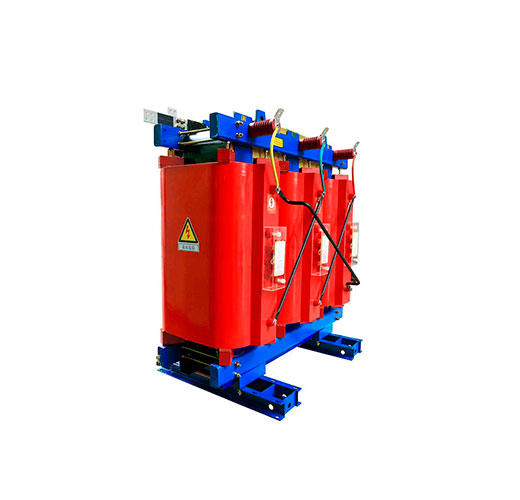
Choosing between a dry-type and an oil-immersed transformer affects safety, building design, energy cost and maintenance for decades. This guide puts the two technologies side by side and then walks through a simple decision process you can apply to your next project.
The Two Technologies in Brief
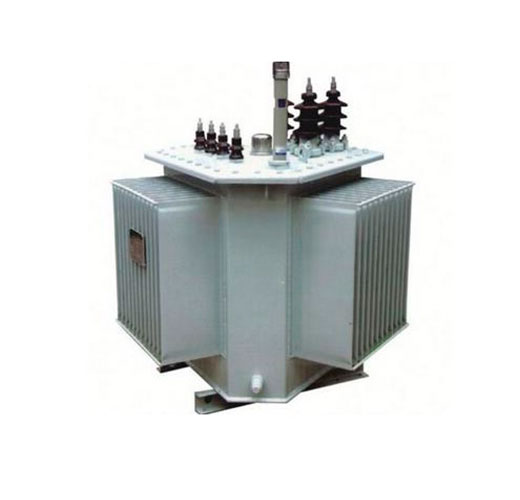
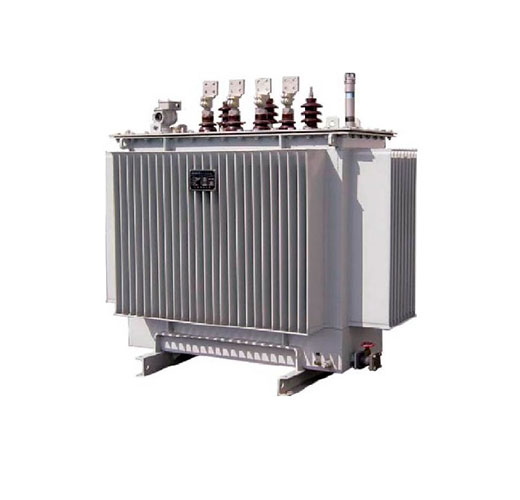
Oil-immersed (liquid-filled) transformers place the core and windings in a steel tank filled with insulating liquid, either mineral oil or a natural or synthetic ester. The liquid insulates the windings and carries heat to radiators or coolers. They are covered by IEC 60076-1 and IEC 60076-2 and span everything from 25 kVA pole units to the largest grid transformers.
Dry-type transformers use solid insulation (cast epoxy resin or vacuum-impregnated varnish) and are cooled by air. They follow IEC 60076-11 and are typically used up to around 36 kV and a few MVA, mostly indoors.
Side-by-Side Comparison
| Criterion | Dry-type (cast resin / VPI) | Oil-immersed (mineral or ester) |
|---|---|---|
| Fire risk | Very low; F1 class self-extinguishing | Mineral oil is combustible; ester fluids have fire points above 300 °C (K class) |
| Environmental risk | No liquid to leak | Leak risk; ester fluids are readily biodegradable |
| Civil works | No oil pit or bund in most codes | Oil containment, fire separation or distances usually required (see IEC 61936-1) |
| Typical location | Indoors, close to loads | Outdoors, dedicated rooms or kiosks |
| Voltage and rating range | Usually up to 36 kV, up to a few MVA | From small distribution up to the highest transmission ratings |
| Purchase price | Higher for the same rating | Lower, especially above about 2 MVA |
| Size and weight | Larger and heavier per kVA at high ratings | More compact for the same power |
| Overload capacity | Limited; small thermal mass | Good; the liquid buffers short peaks |
| Losses | Depend on design; must meet the same efficiency rules | Depend on design; often slightly lower for the same cost |
| Noise | Often slightly higher at the same rating | Tank dampens noise |
| Routine maintenance | Cleaning, connections, thermal checks | Plus oil sampling, DGA, breather and leak checks |
| Condition diagnostics | Partial discharge, thermography, insulation resistance | Dissolved gas analysis gives early fault warning |
| End of life | Cured resin coils are hard to recycle | Steel, copper and oil are readily recovered |
Where Each One Wins
Dry-type is usually the right answer when
- The transformer sits inside an occupied building: offices, hospitals, hotels, schools, shopping centres.
- Fire safety and smoke are critical: tunnels, metros, ships, offshore platforms, underground mines.
- Building codes or insurers prohibit liquid-filled units, or the cost of fire separation and oil containment is high.
- The site is a data centre or clean facility that wants zero liquid inside the white space.
Oil-immersed is usually the right answer when
- The installation is outdoors: utility substations, pole and pad-mounted distribution, solar and wind farms.
- Ratings exceed a few MVA or voltages exceed 36 kV.
- Budget and footprint are tight, and overload capacity matters.
- Long-term condition monitoring through oil analysis is valued.
The Middle Ground: Ester-Filled Transformers
Natural ester (vegetable-based, IEC 62770) and synthetic ester (IEC 61099) fluids narrow the gap. With fire points above 300 °C they are classed as K-class, less-flammable liquids, and they biodegrade readily if spilled. Many standards and insurers allow reduced separation distances for K-class units. Ester also absorbs moisture from paper insulation, which slows aging. For sites that need the compact size and overload capacity of a liquid unit but worry about fire and pollution, an ester-filled transformer is often the best compromise.
Efficiency Rules Apply to Both
The EU Ecodesign regulation for transformers (Tier 2, in force since July 2021) sets maximum no-load and load losses for both dry and liquid distribution transformers, and minimum Peak Efficiency Index values for larger power units. Neither technology is automatically more efficient. Compare guaranteed losses from the test certificate, and evaluate offers on total cost of ownership. Amorphous metal cores are available for both types and are worth considering where units run long hours at light load.
A Five-Step Selection Process
- Define location and codes. Indoor or outdoor? What do local fire codes, IEC 61936-1 and the insurer require for liquid-filled equipment?
- Define the electrical duty. Rated power, voltages, load profile, overloads, harmonics and future growth.
- Price the whole installation, not just the transformer. Include oil pits, fire walls, ventilation, enclosures, cabling distance and crane access.
- Capitalize losses. Multiply no-load and load losses by your energy price and running hours over 25-30 years.
- Plan maintenance and monitoring. Who will service the unit, and does the site need remote temperature, load or gas monitoring?
In many projects the answer is a mix: oil-immersed units in the outdoor main substation and dry-type units in building substations, connected through medium-voltage switchgear.
Frequently Asked Questions
Is a dry-type transformer more efficient than an oil one?
Not inherently. Efficiency depends on core material and winding design. Both must meet the same regulatory loss limits.
Can an oil transformer be installed indoors?
Yes, in a fire-rated room with oil containment and suitable ventilation, or with K-class ester fluid where local rules permit.
Which lasts longer?
Both typically serve 25-40 years when loaded and maintained correctly. Temperature and moisture control decide the actual life.
Work with METTZ Group
METTZ Group offers a wide range of transformers to suit many needs – from dry-type cast resin units for buildings to oil-immersed transformers up to 220 kV for substations, mines and tropical sites. Check out our website to learn more, or contact METTZ Group today to work with a representative.
